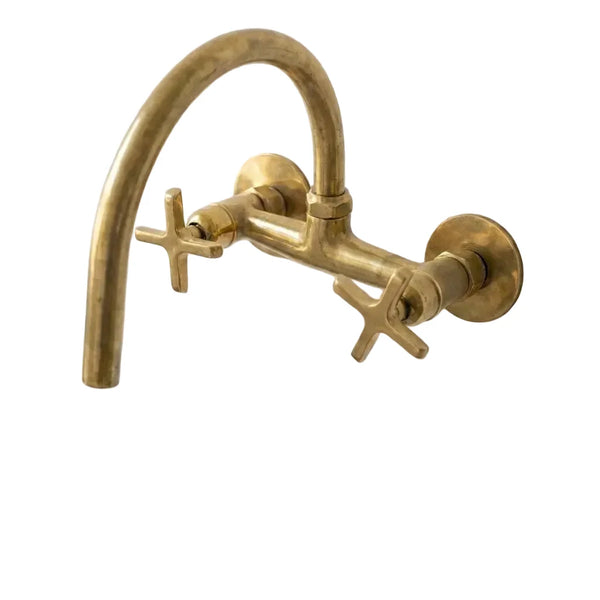
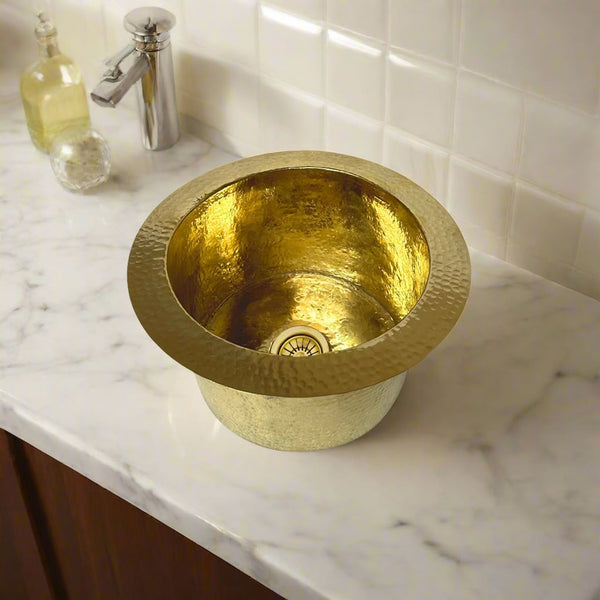
No, brass doesn't rust. Rust is iron oxide — the flaky orange layer you see on steel — and brass contains no iron. But brass does tarnish, and understanding the difference helps you decide how you want your brass to look over time.
Rust vs tarnish
| Rust | Tarnish (patina) | |
|---|---|---|
| Happens to | Iron and most steels | Copper, brass, bronze, silver |
| What it is | Iron oxide | Thin surface layer from oxidation and other reactions |
| Effect | Flakes and eats into the metal | Changes color; doesn't weaken the metal |
| Reversible? | Damage is permanent | Can be polished away |
If you think you see rust on a "brass" item, it may actually be brass-plated steel. A magnet will tell you — see is brass magnetic?
Why brass tarnishes
Brass is mostly copper, and copper reacts slowly with oxygen, moisture, sulfur compounds in the air and the oils on our skin. On unlacquered brass, this produces a gradual shift from bright gold to honey, amber and brown. We cover that process in our complete guide to unlacquered brass.
What speeds it up:
- Humidity and water — bathrooms and around sinks.
- Frequent touch — handles, faucet levers, hooks.
- Minerals and chlorine in tap water.
- Harsh cleaners that react with copper.
Lacquered brass has a clear coat that slows all of this down until the coating wears or chips.
What the green spots mean
Green or blue-green deposits (often called verdigris) form when copper reacts with moisture over time, usually where water sits — at the base of a faucet, inside a drain area or in the joints of a shower. They're a surface layer, not rot, and a gentle cleaning usually removes them. Drying fixtures after use is the best prevention.
How to keep brass looking the way you want
If you love the aged look: do nothing special. Clean with mild soap and water, dry after use, and let the patina develop.
If you prefer it brighter: polish once or twice a year with a brass polish or a gentle lemon-and-baking-soda paste, then rinse and dry thoroughly.
If you want something in between: after polishing, apply a thin coat of clear wax made for metal. It slows tarnish for a few months.
Avoid bleach, abrasive pads and strong acidic cleaners on the metal itself.
Does tarnish affect how a fixture works?
No. Tarnish is purely cosmetic. A tarnished brass faucet works exactly like a polished one — and many people choose unlacquered brass faucets precisely because they look better with age.
The takeaway
Brass will never rust away, but it will change. Decide whether you want a living finish or a bright one, and care for it accordingly. Explore our solid brass collection.